Watch · An illustrated short
The Ten O’Clock
Tow Truck Driver
An imaginary tow truck driver. An excellent exit plan. And the man who wouldn’t leave.
4 minutes
The Pinkerton Papers
A spiritual quest through becoming, ordinary beauty, excellent questions, and the days we have not been promised.
PINKERTON · PORTLAND, OREGON

“We are souls.
We have bodies.”
Welcome to The Pinkerton Papers, a field notebook from the Bonus Rounds.
Here you’ll find Illustrated Shorts, essays, blog posts, and archive entries exploring attention, wonder, spiritual mischief, daily joys, self-discovery, and the occasional chink in my know-it-all armor.
Pinkerton
Watch
Watch · An illustrated short
An imaginary tow truck driver. An excellent exit plan. And the man who wouldn’t leave.
4 minutes
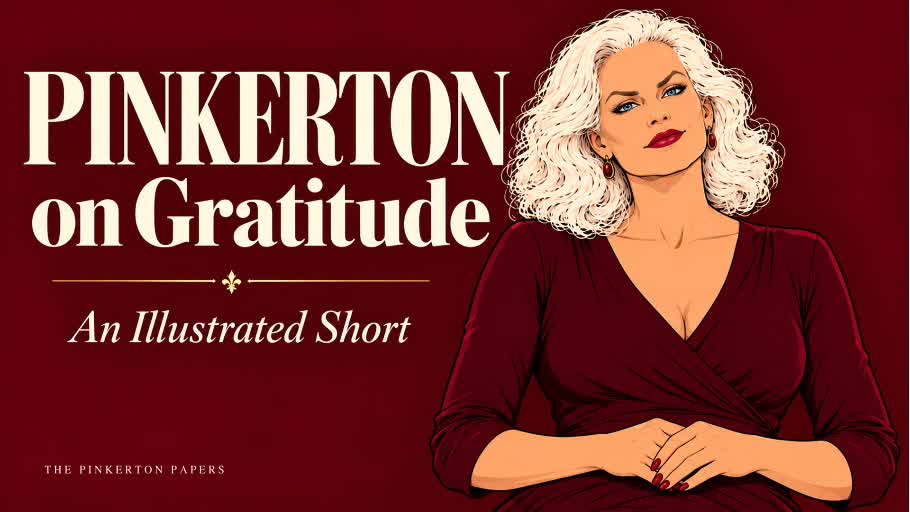
Just give me a minute. I’ll get there.
WATCH · 32.3 seconds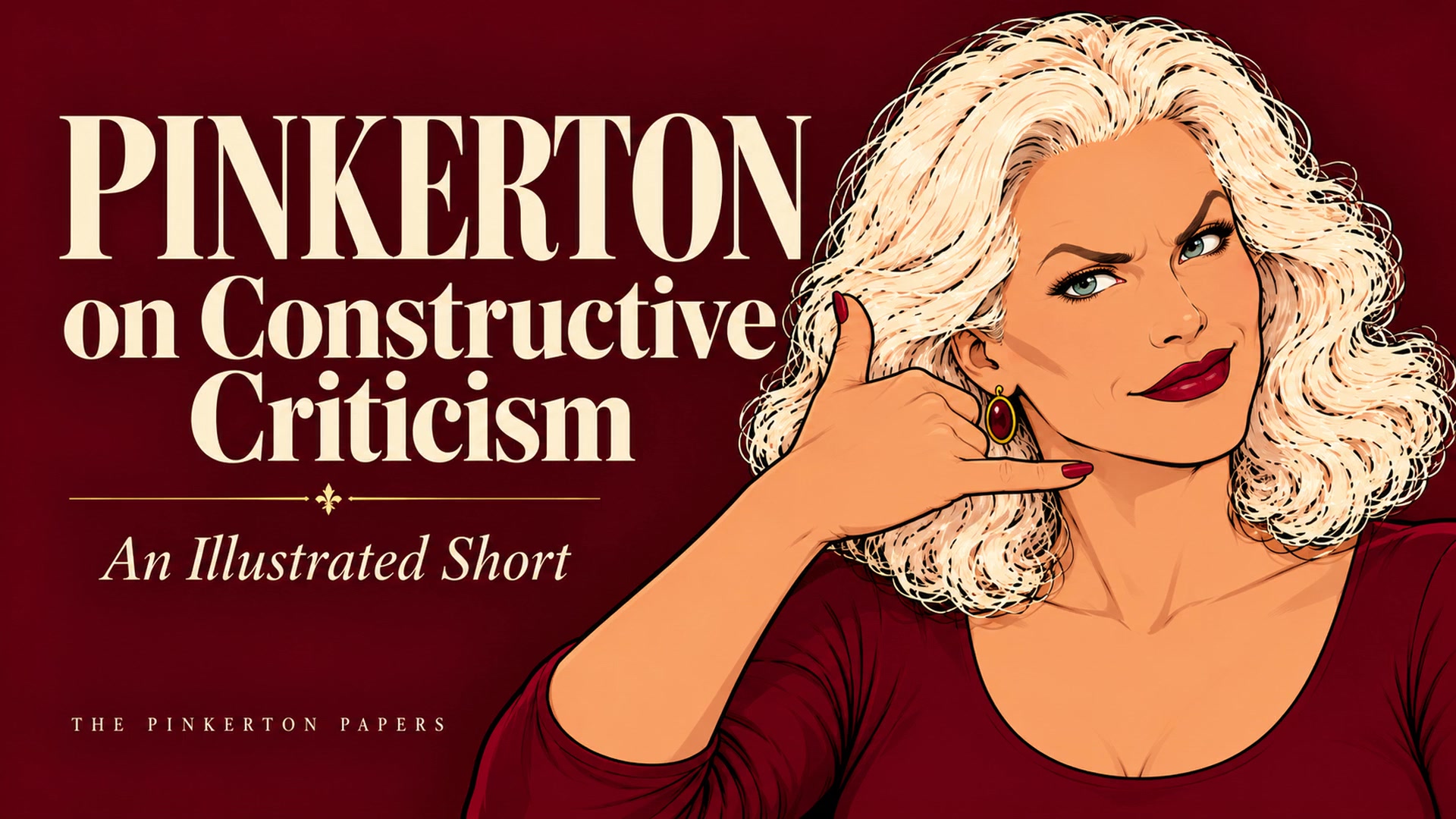
Pinkerton has a few thoughts on helpful advice.
WATCH · 35.1 seconds
Some instructions leave no room for half measures.
WATCH · 23.4 seconds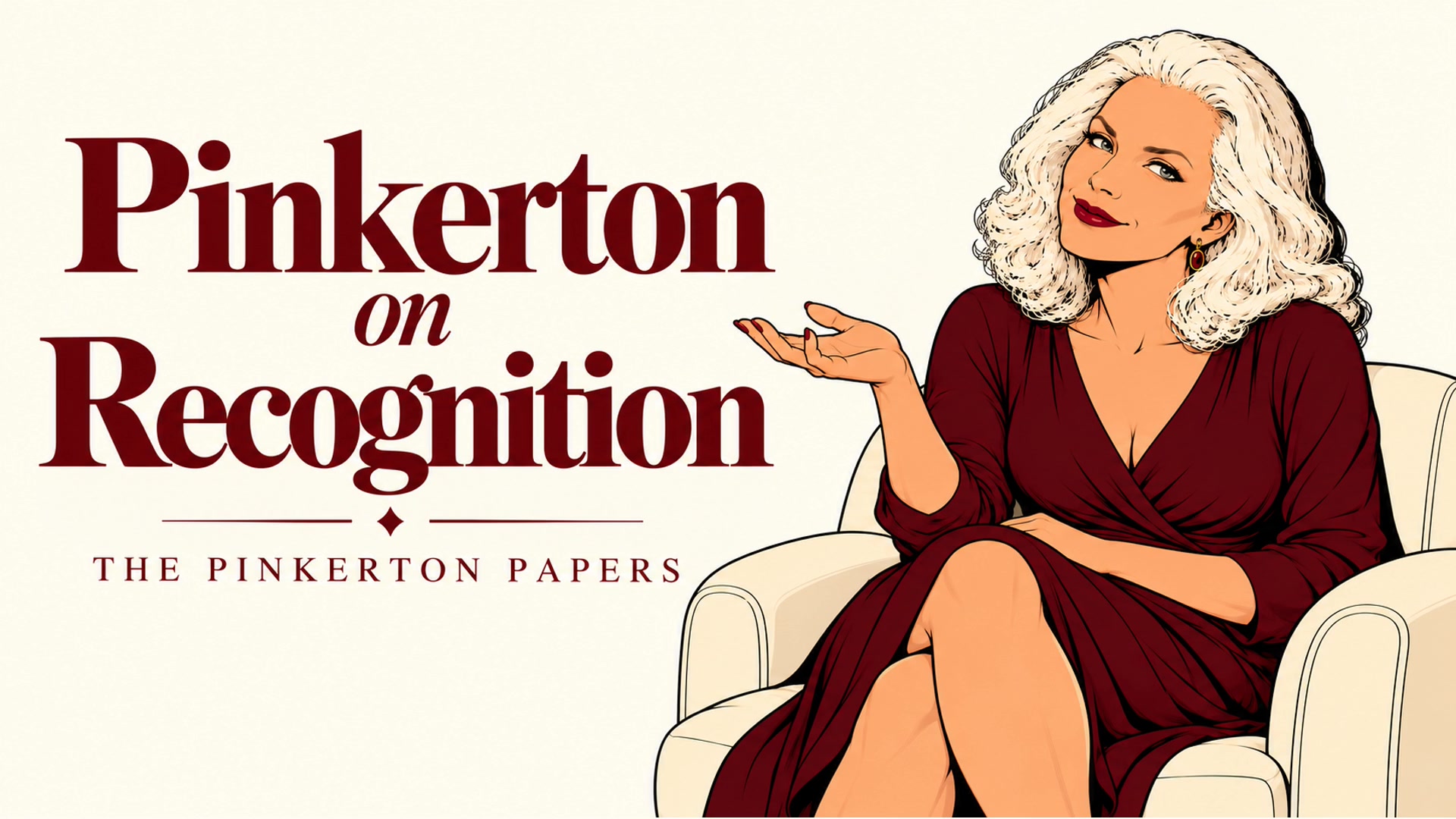
What, exactly, is Heels? You’ll know it when you see it.
WATCH · 21 seconds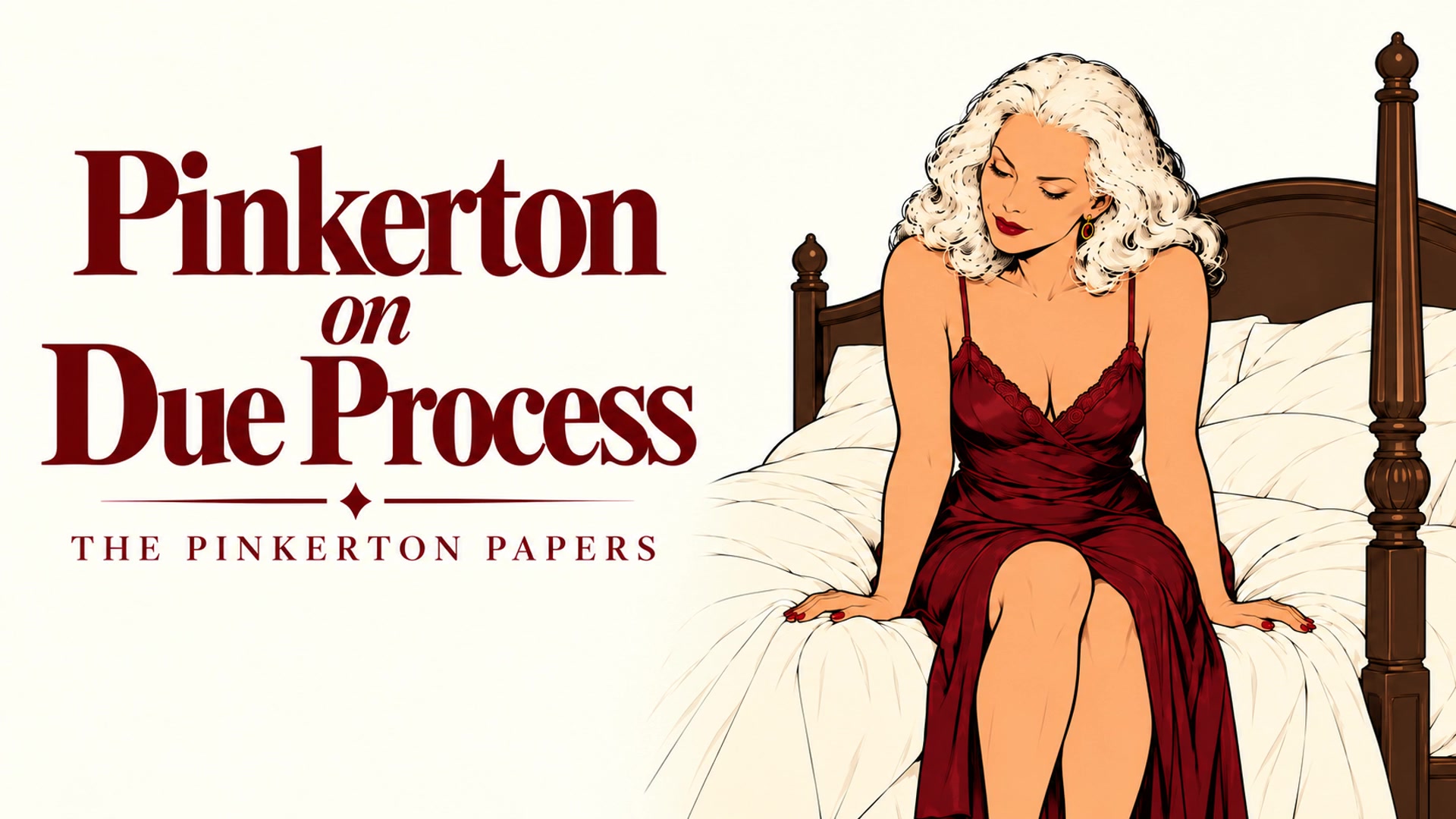
Getting out of bed. The body would like to be heard.
WATCH · 19.9 seconds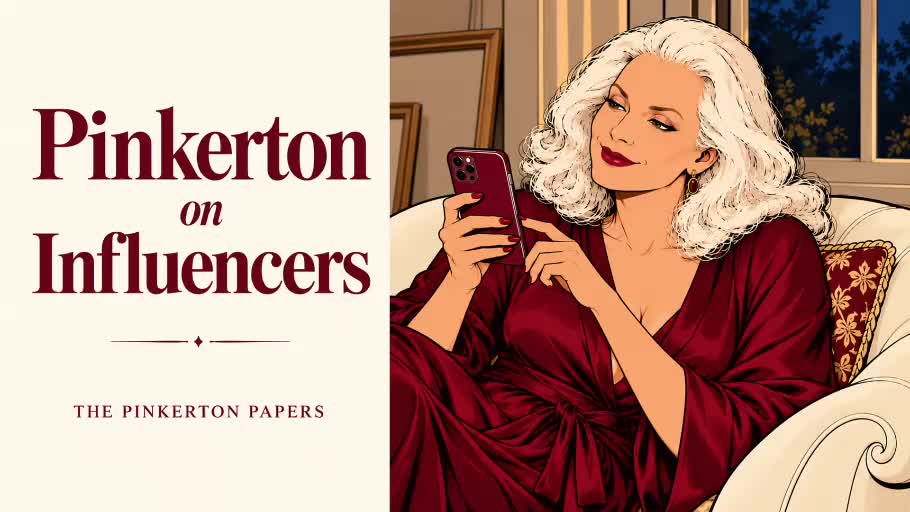
Everybody is an influencer. Pinkerton has thoughts.
WATCH · 20.2 seconds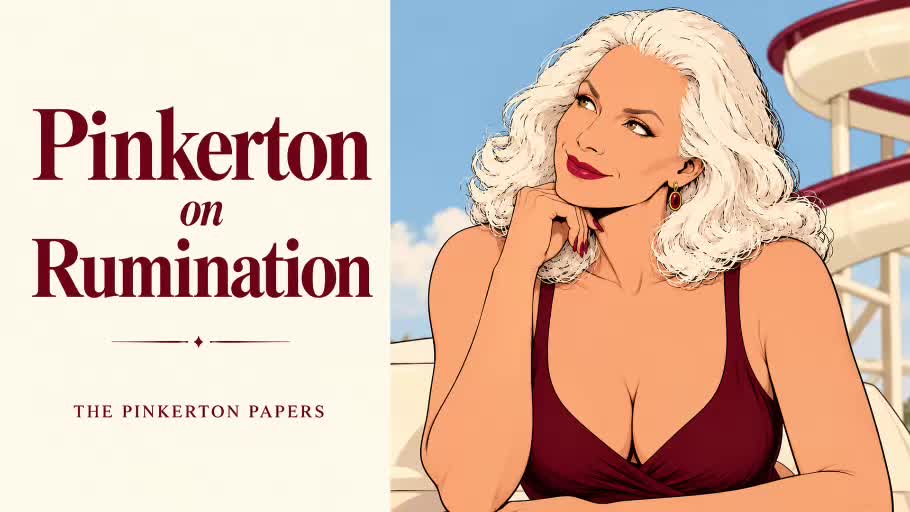
A little reflection. What could possibly go wrong?
WATCH · 18.5 seconds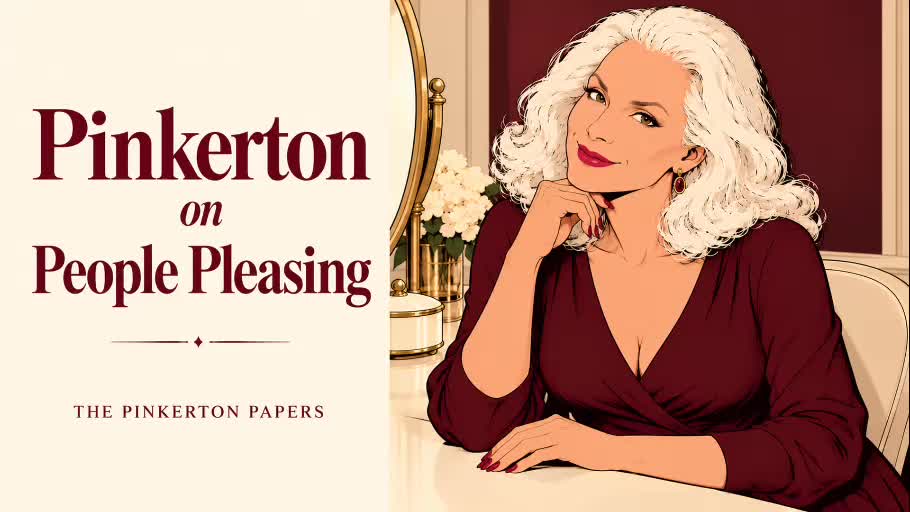
So many people. Must we please them all?
WATCH · 15 seconds
I have nothing against adventure. It’s the equipment requirements that tend to end the conversation.
WATCH · 30.5 seconds
I can spot a sales pitch. Occasionally, I even enjoy it.
WATCH · 19.3 seconds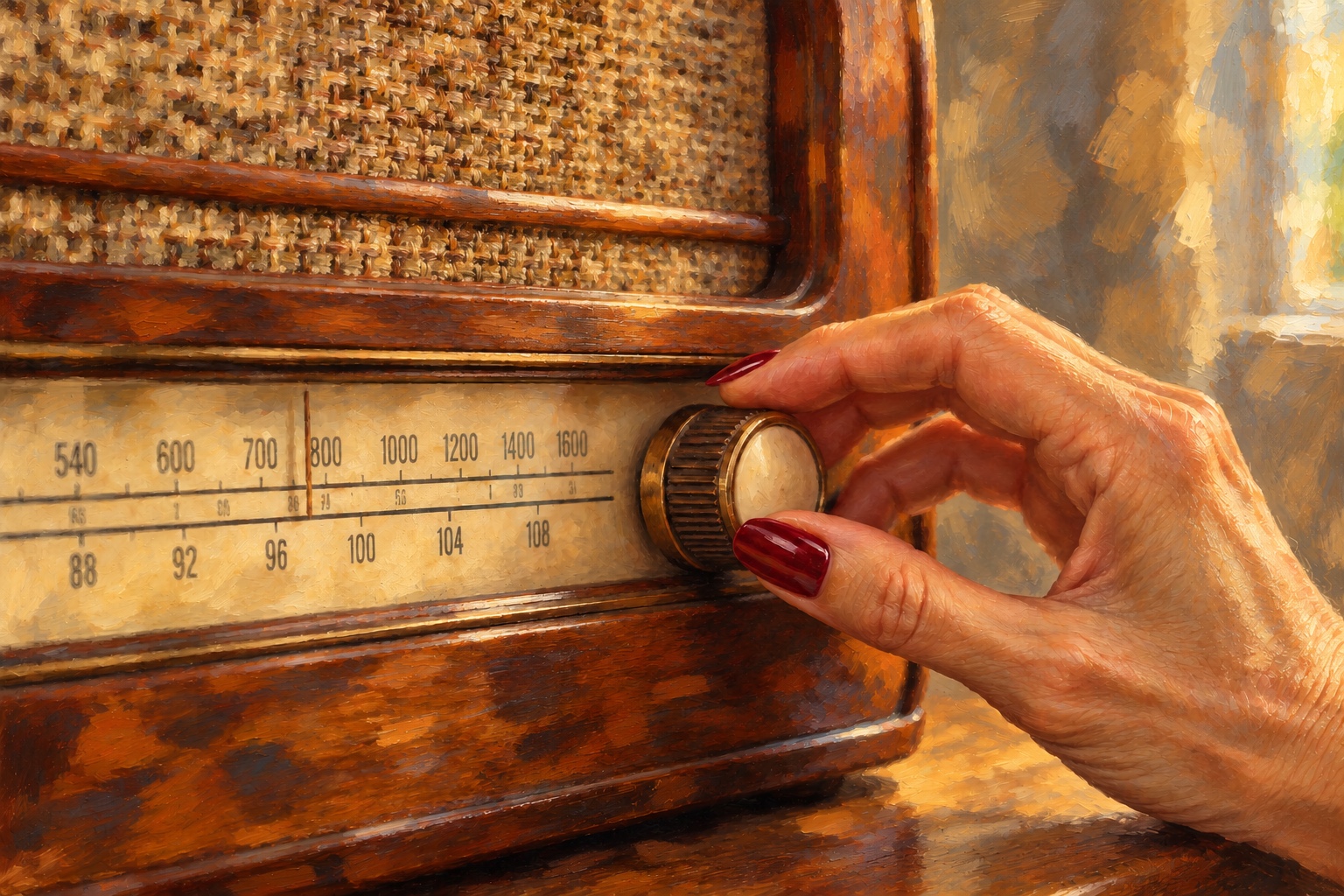
Read · An essay
I know this song. I have an excellent explanation for why I’m dancing.
Read the essay ↗
Read · An essay
I have held a surprising number of unpaid management positions. Most were self-appointed.

Read · An essay
On evidence, reinvention and the legal right to become suspiciously unrecognizable.
From the blog
P
Read · A blog post
I was driving to the dance studio and took a different route. For fun, and to see what I could see.
Read the post ↗
Read · A blog post
Interconnectedness, with occasional exceptions for annoying people
Read the post ↗
Read · A blog post
Nice try. I remember the prize.

Read · A blog post
And another thing: I’m not done bitching about the pudge.
Start with Part One: The Pudge Did Not Budge
Read Part Two
Read · A blog post
Figuring Things Out
Start with Part One: The Pudge Did Not Budge
Previous: Part Two · Where’s My Goddamn Cadillac Body?

Read · A blog post
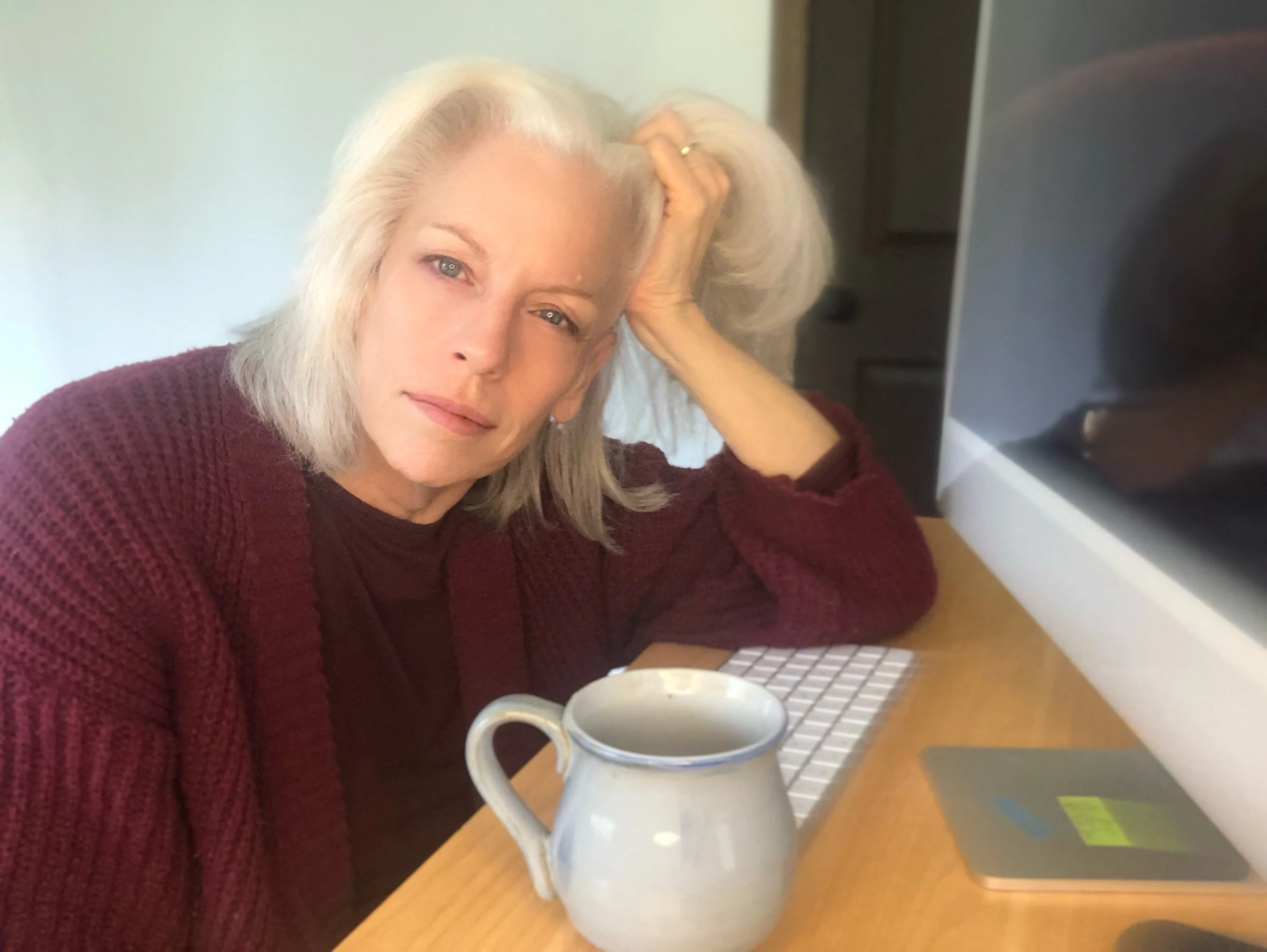
Apparently, both interference and applause-seeking require energy.
Read · A blog post

I used to think gratitude was something I ought to feel after life had met certain minimum standards.
Read · A blog post
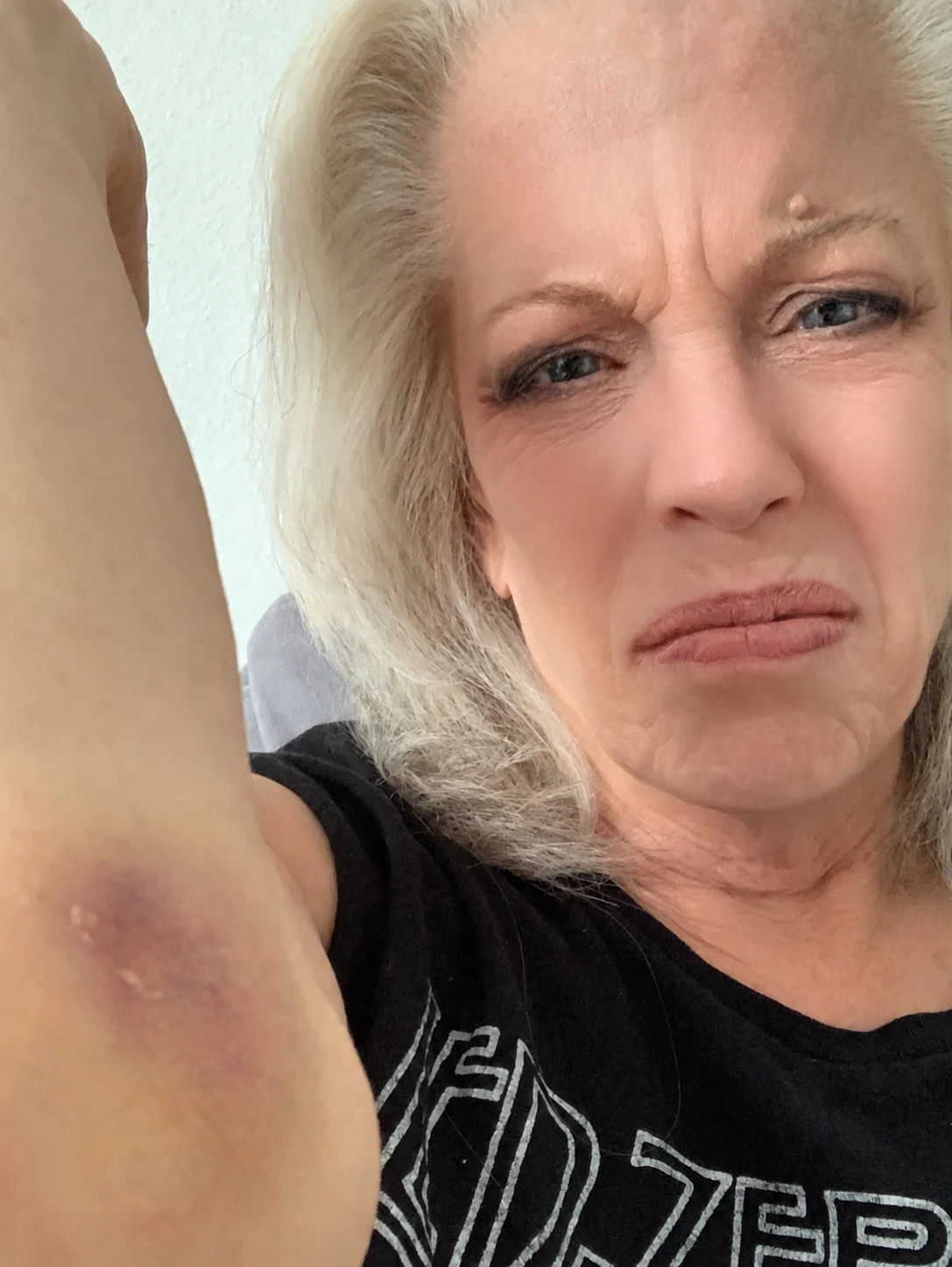
These days, I would rather fall down in the middle of the dance than remain perfectly composed outside the room.
Read · A blog post

No one asks a beige orthopedic shoe what contribution it is making to civilization.
About the archive
The Papers began as messages sent from the middle of an actual life, often before I understood what I was trying to say.
A joke. A question. A grievance. A gratitude list. A confession. A photograph. The occasional tiny moment of grace.
They accumulated almost daily, and often more than once, until the messages began to look less like scattered correspondence and more like an archive: a record of a woman becoming herself in real time.
Some Papers are small observations. Others became foundation stones. Together, they tell the story of what came after survival: learning to inhabit a body, make a home, love imperfectly, become visible, remain a beginner and pay attention to an astonishing world that was here all along.
They are funny, profane, searching and occasionally contradictory. No attempt has been made to make the woman who wrote yesterday agree with the woman who woke up this morning.
What appears here is only a small, curated sampling.
The Papers are the primary source: what I wrote then, in the moment. The Blog and Essays bring Papers into conversation and ask what they might mean now.
Because we have a habit of polishing away the moment before understanding.
That is often where the life is.

The Papers · I
Pinkerton begins with a suspicion: that nearly everything we clutch so tightly is temporary, and therefore at least a little ridiculous. These Papers look upward and outward, not to escape the ordinary world, but to see it correctly. We are souls with bodies for a little while. Rain happens. Then the sun reappears and astonishes us all over again.
“Is there anything everyone takes seriously that you don’t find at least a little ridiculous?”
It does rain a lot, as I had been warned.
“It’s as if we can’t control nature, so we decided to control time. As if.”Read the paper ↗
The Papers · II
Some stories belong partly to other people and will remain private. What Pinkerton can tell is her own: the instinct to flee, the appetite for demolition, and the harder work of crossing back and forth without blowing up the bridge.
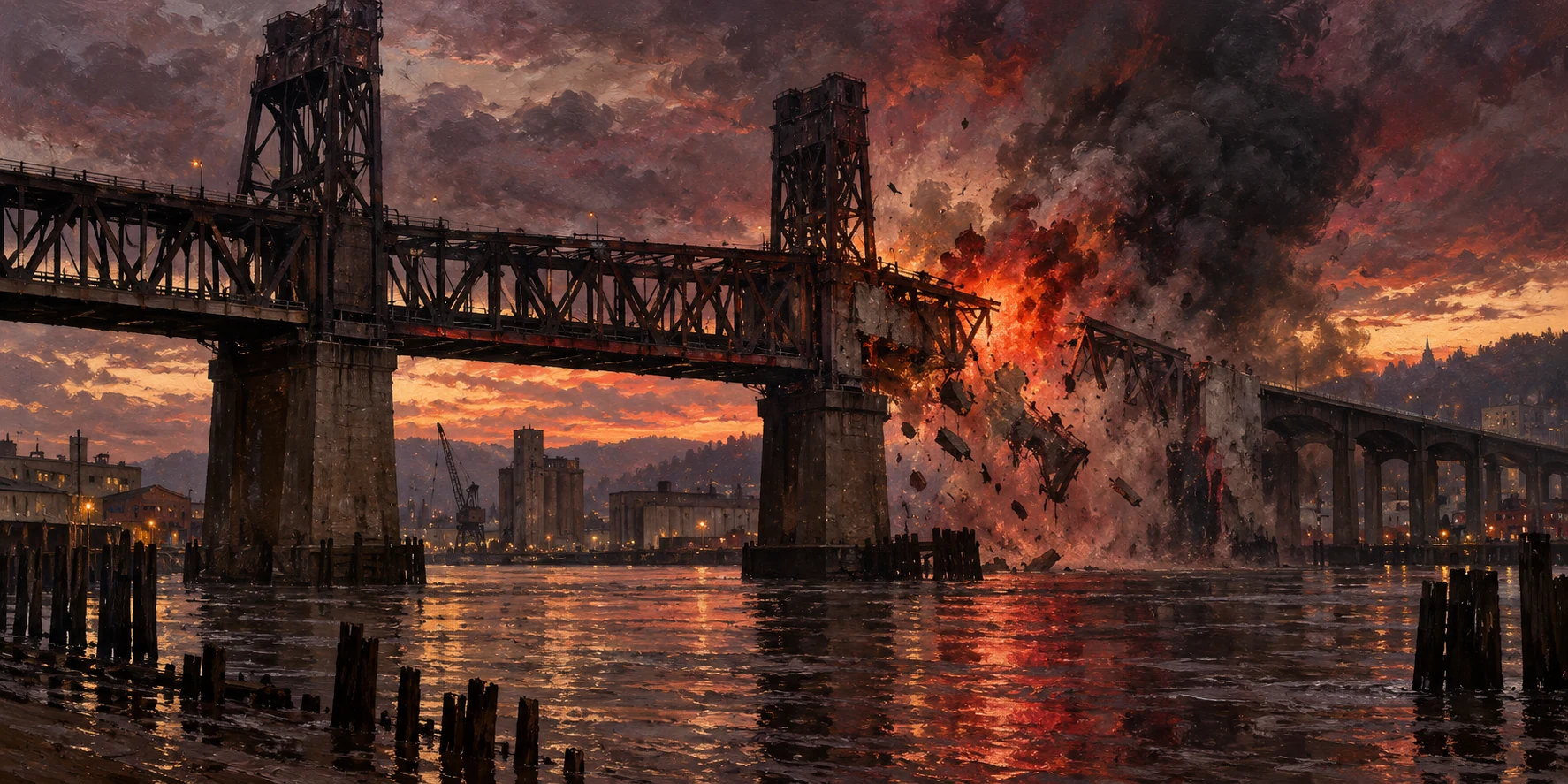
“For me, there was nothing easier than running away, burning a bridge, or in my case, blowing it up.”
Running away and blowing up bridges were the visible maneuvers. Underneath them sat an older confusion. Sarcasm, attention seeking and manipulation had been practiced so long that they began to feel like personality.
Crossing the bridge describes the old reflex in action. This Paper catches it one beat earlier: the moment when chaos still sounds far more interesting than peace.
The Papers · III
Eventually, every plan and scheme ran out.
Pinkerton found herself ten minutes beyond the ending she had expected, still alive and unable to think her way forward. Other people, and perhaps something greater, were allowed to take over.
The Threshold begins there.
Reader note · This Paper contains a brief, non-graphic reference to a suicide attempt.
“That’s when I ran out of plans and schemes.”
The Papers · IV
Charlie did not arrive after the Threshold. He was already there.
The change was that Pinkerton listened.
The first act wasn’t obedience. It was relationship.
god of my understanding
“Charlie not only loves me, but actually likes me.”
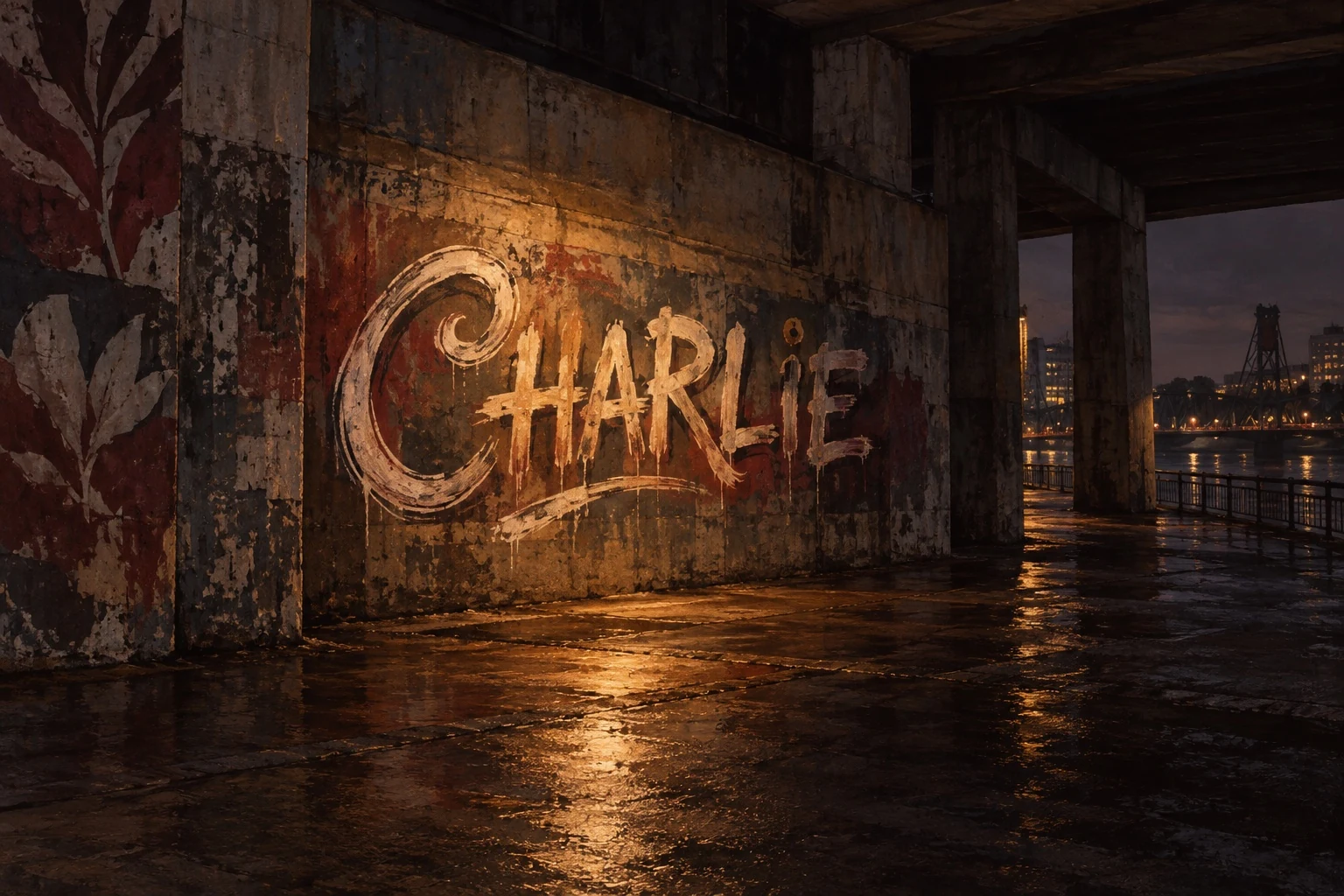
“Did I pass up an opportunity to make a cutting remark?”Read the paper ↗
The Papers · V
After the Threshold and Charlie came the ordinary work of living. Pinkerton married, moved north, made a home, traveled by train, planted a garden, worked, prayed, danced and cleaned up after elderly cats.
Peace arrived quietly enough that she occasionally mistakes it for a lack of plot. She is learning to recognize it as a life.
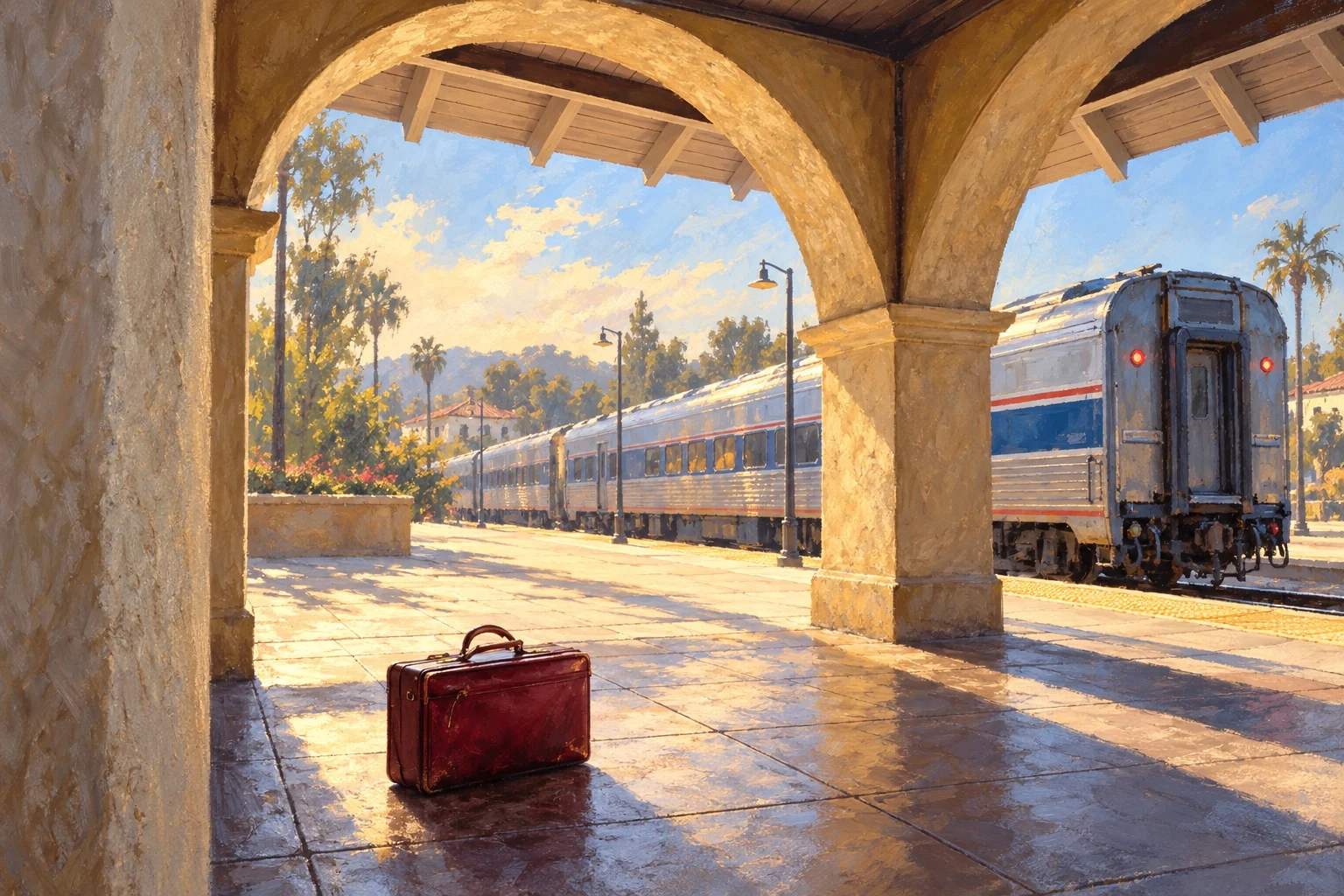
“You know… you have a room.”
“Go. Find it.”
Peace once had a branding problem: no plot, no soundtrack, insufficiently flattering lighting. This Paper catches Pinkerton beginning to discover that quiet can hold a life.
“I’m grateful that I’m starting to appreciate peace…”
“I am grateful for products that remove pet odors.”
“Then he took his heels out of his backpack”Read the paper ↗
“He immediately tried to explain himself.”Read the paper ↗
The Papers · VI

“Jeez, what a load of work! So much easier to be wrong.”Read the paper ↗
“Learning to suck at something is a particularly loud benefit.”Read the paper ↗
“I don’t know where all this is going. Maybe nowhere.”Read the paper ↗
The Papers · VII

“I’m still a broad and thoroughly enjoying myself.”Read the paper ↗

“Hey, I’m a piece of work / In progress.”Read the paper ↗
“Not me, the shrub!”Read the paper ↗
 ?
The woman behind the papers
Writer. Dancer. Spiritual pilgrim. Collector of ordinary miracles and excellent dresses.
After a long career and one unmistakable second chance, Pinkerton is learning how to inhabit a life instead of merely surviving one. The Papers began as messages to people she loves. They became a record of becoming: funny, profane, searching, and alive.
No doctrine. No expertise costume. Just one woman paying attention and inviting company for the walk. Names and identifying details are withheld unless sharing has been agreed.
The Last Word
These are the bonus rounds, not a guarantee.Back to the beginning ↑
If today is all I have, I want to live it well and at the end say:“Damn that was fun.”